Yin Yoga v Restorative Yoga
Finding the Still Point
At first glance, Yin Yoga and Restorative Yoga can look quite similar.
Both are slow, floor-based, and deeply nurturing practices. Yet beneath the surface, they serve very different purposes for the body, energy and nervous system.
Understanding the difference between the two can help you choose what kind of stillness your body truly needs.
Yin Yoga: Moving Qi and Meeting your Edge
Yin Yoga is a practice of presence through sensation. It targets the fascia and connective tissues, helping to increase joint mobility and awaken the flow of Qi — the vital life force that moves through energy lines known as meridians which connect to our organs and spirit.
In Yin, we explore what’s called The Edge — that subtle space between ease and intensity.
It is the dull and mildly uncomfortable place to marinate in. It’s not about pushing, but listening deeply to how the body responds to ‘good’ stress. This somatic awareness allows us to sense where energy is stagnant and where and when it begins to move again.
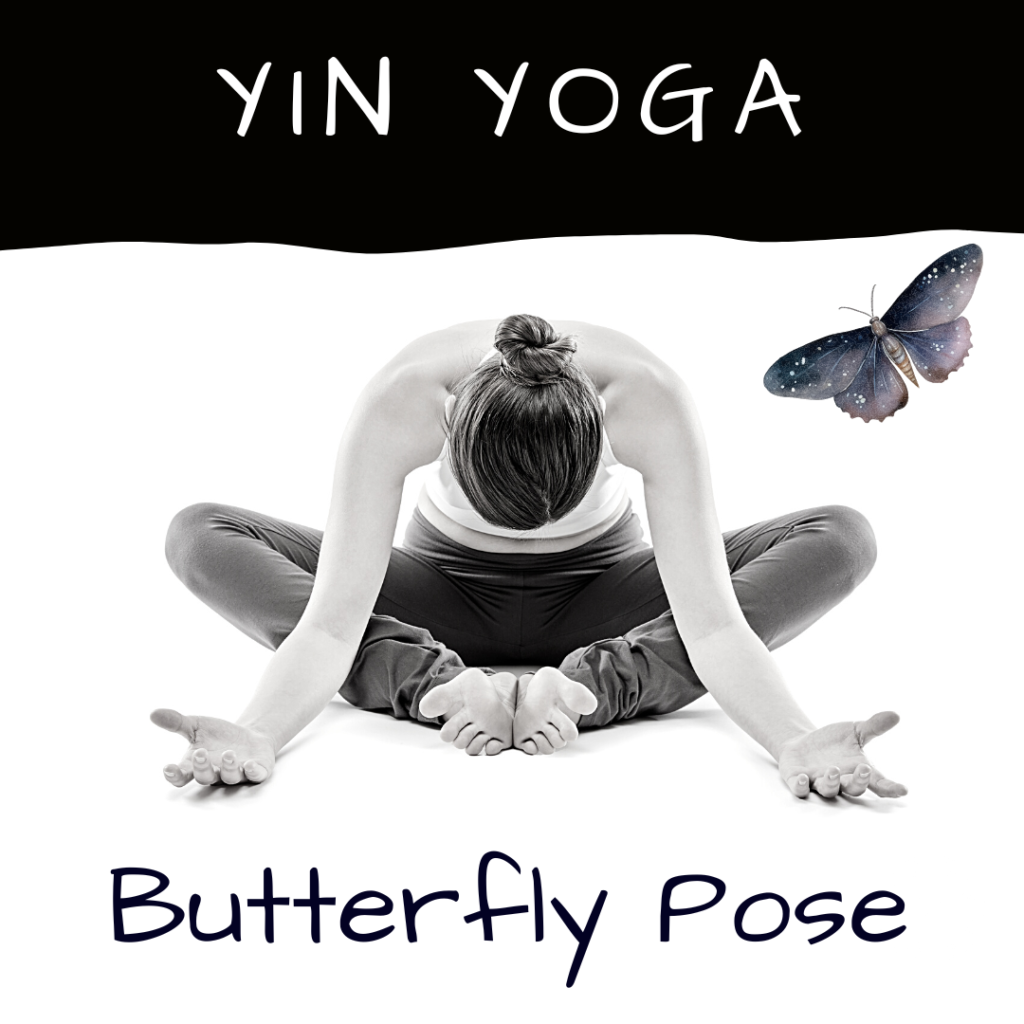
Yin Yoga postures are held for anywhere from 3–7 minutes, using gravity and stillness to release deep tension. Over time, this gentle therapeutic stress supports the healthy flow of Qi, bringing balance back to body and mind.
The Rebound Phase of the Pose – where the body is completely at ease – is an essential part of the Yin practice.
Yin Yoga invites: mindfulness, curiosity, emotional release and an awakened sense of inner aliveness. It’s a powerful gateway to meditation as each pose invites stillness and deep awareness of the flutterings of the mind.
Restorative Yoga: Soothing the Nervous System
Whereas Yin Yoga gently and therapeutically stimulates, Restorative Yoga invites complete surrender. It’s less about stretch or energy movement, and more about rest and recovery.
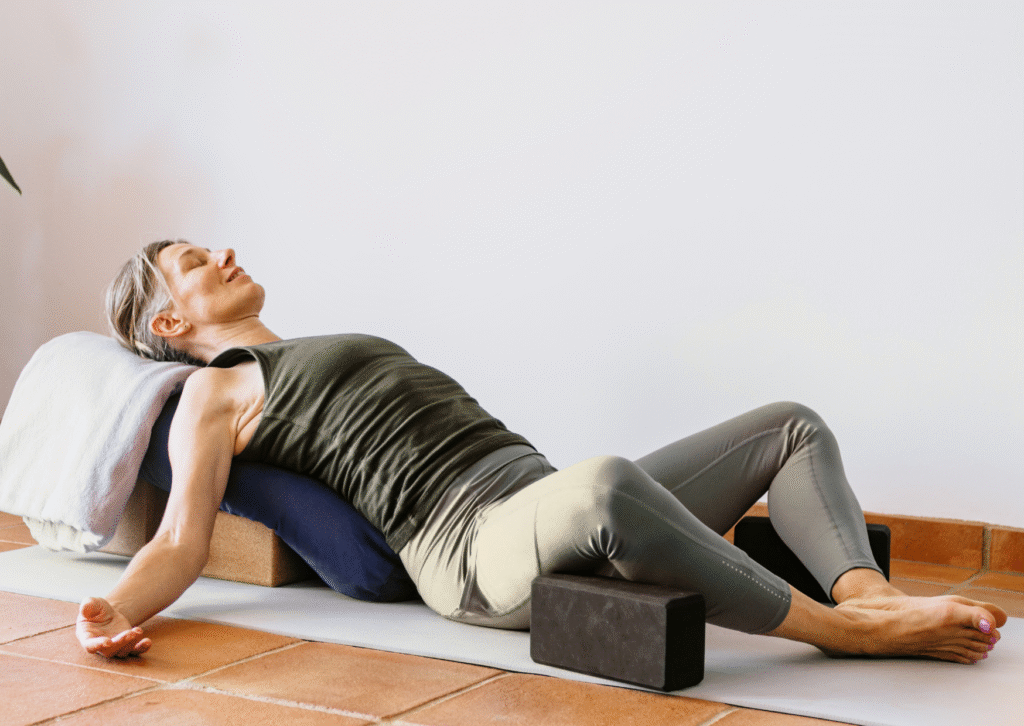
Each pose is fully supported with props — bolsters, blankets, blocks — so the body can relax without any effort. The nervous system shifts into a parasympathetic state, the “rest and digest” mode where deep healing happens.
This is a somatic practice too — but here, awareness comes through the absence of doing. We tune into the subtle rhythms of breath, heartbeat, and embrace the stillness itself.
Restorative invites:softness, safety, release, and replenishment.
Stillness: Two Ways
Both Yin and Restorative invite deep embodiment and awareness — one through meeting sensation, the other through melting into rest.
If you’re seeking to awaken energy and move through stuckness or emotional stagnation, choose Yin.
If you’re craving stillness, comfort, and nervous system repair, choose Restorative.
In truth, both are wonderful acts of healing — two sides of the same quiet coin.
At Mandala we host 3 x weekly Yin Yoga classes as well as a range of restorative yoga workshop offerings.